
How to Identify Authentic Chikankari Work: A Simple Buyer’s Guide

How to Identify Authentic Chikankari Work: A Simple Buyer’s Guide
Chikankari is one of India’s most admired hand embroidery traditions, originating from Lucknow. With the growing popularity of Chikankari garments, many machine-made products are now sold as authentic Chikankari. Knowing how to identify authentic Chikankari work can help you make a better purchase and appreciate the craftsmanship behind this beautiful art.
What Is Authentic Chikankari?
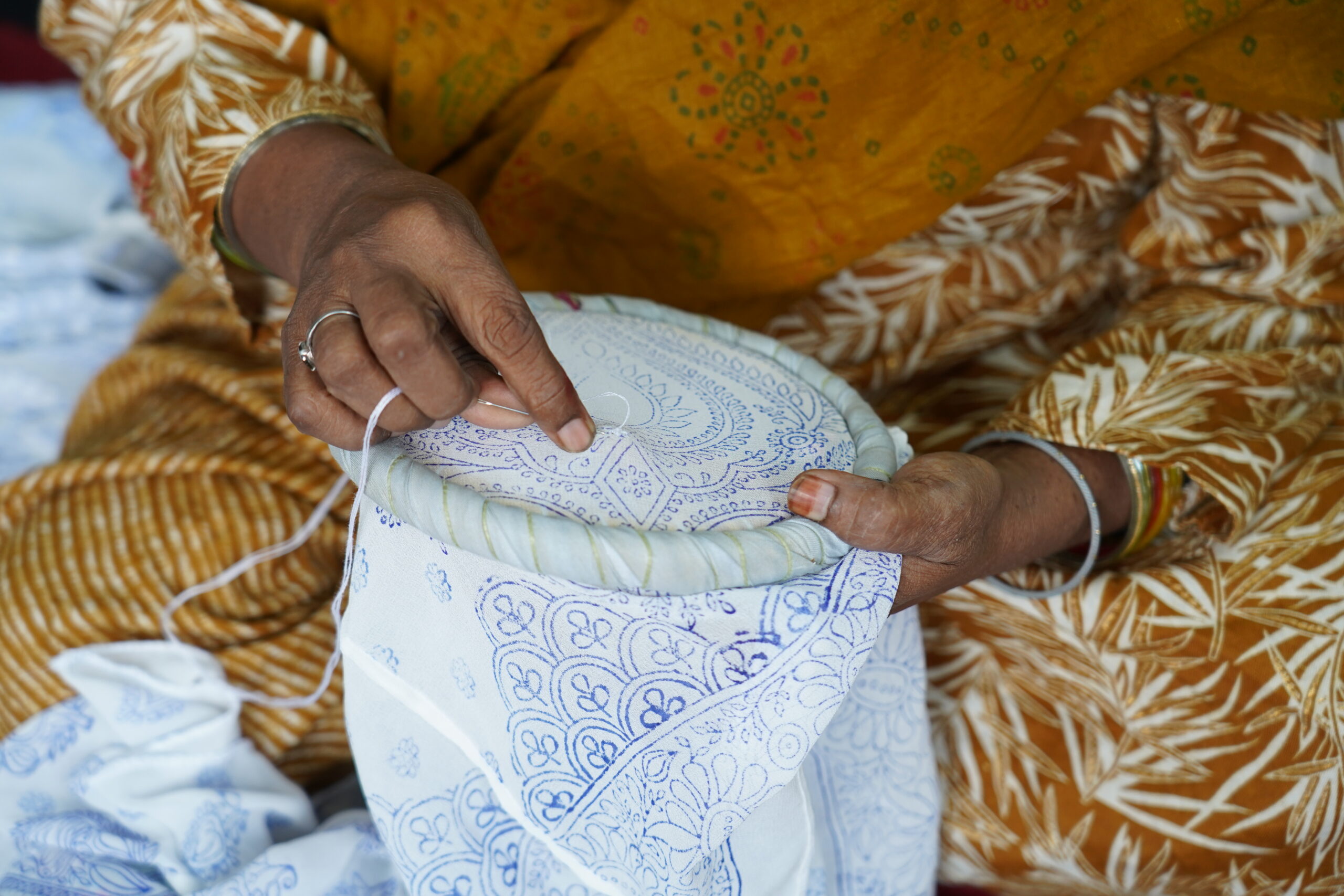
Authentic Chikankari is a handcrafted embroidery technique created by skilled artisans. Every stitch is done by hand, making each piece unique. Traditional Chikankari involves intricate patterns, delicate floral motifs, and fine needlework that cannot be perfectly replicated by machines.
Signs of Genuine Chikankari Work
1. Examine the Back Side of the Fabric
One of the easiest ways to identify authentic Chikankari is by checking the reverse side of the fabric. Hand embroidery will have loose threads and slight irregularities, while machine embroidery usually appears perfectly uniform.
2. Look for Natural Imperfections
Handcrafted work is never identical throughout the garment. Small variations in stitches are a sign that the embroidery was created by hand rather than a machine.
3. Feel the Texture
Authentic Chikankari has a soft and elegant texture. The embroidery blends naturally with the fabric and does not feel excessively stiff or artificial.
4. Observe the Stitch Variety
Traditional Chikankari uses multiple stitches such as Bakhiya, Phanda, Murri, Keel Kangan, and Jaali work. Genuine artisans combine different stitches to create depth and beauty.
5. Check the Fabric Quality
Authentic Chikankari is commonly crafted on premium fabrics such as cotton, mulmul, linen, Chanderi, georgette, tissue silk, and Tussar silk. High-quality fabric often indicates careful craftsmanship.
Why Authentic Chikankari Costs More
Hand embroidery requires significant skill and time. Depending on the design complexity, artisans may spend several days or even weeks completing a single piece. This craftsmanship adds value and uniqueness to every garment.
Common Signs of Machine-Made Chikankari
- Perfectly identical stitches throughout the design
- No visible handwork on the reverse side
- Extremely low prices compared to handcrafted products
- Limited stitch variation
- Mass-produced appearance
Why Choose Handcrafted Chikankari?
Authentic Chikankari reflects centuries of tradition and supports skilled artisans who preserve this heritage. Handcrafted pieces offer superior elegance, comfort, and exclusivity compared to machine-made alternatives.
Final Thoughts
Learning how to identify authentic Chikankari work can help you invest in genuine craftsmanship. By examining the stitches, texture, fabric quality, and embroidery details, you can confidently choose authentic Lucknowi Chikankari and enjoy the beauty of this timeless art form.
Frequently Asked Questions (FAQs)
How can I identify authentic Chikankari work?
Authentic Chikankari is completely hand embroidered and shows slight variations in stitches. The back side of the fabric also reveals handwork details that machine embroidery cannot replicate.
Is handmade Chikankari expensive?
Yes, genuine handmade Chikankari is usually more expensive because it requires skilled artisans and many hours of intricate hand embroidery.
What is the difference between hand Chikankari and machine embroidery?
Hand Chikankari has unique stitches, fine detailing, and natural variations, while machine embroidery looks perfectly uniform and lacks the charm of handcrafted work.
Which fabric is best for Chikankari embroidery?
Chikankari can be done on various fabrics including cotton, georgette, chiffon, mulmul, tissue silk, linen, and Chanderi. The choice depends on the desired look and occasion.
Why should I buy authentic Chikankari?
Authentic Chikankari supports traditional artisans, offers superior craftsmanship, and provides a timeless elegance that machine-made embroidery cannot match.